REMEMBERING RALPH MUNRO
TVW reflects on the life and legacy of a political icon in Washington State.
At a time when political differences often dominate public life, Ralph Munro showed another way.
For more than five decades of public service, Munro believed democracy worked best when people with different perspectives sat down together, listened with curiosity, and searched for common purpose. He never viewed political opponents as enemies. Instead, he saw them as partners in the shared responsibility of strengthening Washington and improving the lives of its people.
As Washington’s Secretary of State from 1981 to 2001, Munro earned a reputation that transcended party labels. He worked with governors, legislators, tribal leaders, business executives, labor organizations, educators, environmental advocates, and community groups from every corner of the political spectrum. His influence came not from ideological purity, but from authenticity, humility, and an unwavering belief that good ideas can come from anyone.
Munro understood that civic dialogue begins with respect. He was known for asking questions before offering opinions, finding common values before debating differences, and building relationships that endured long after political disagreements had passed. Whether discussing elections, education, conservation, disability rights, historic preservation, or international relations, he approached every conversation with genuine curiosity and a desire to understand.
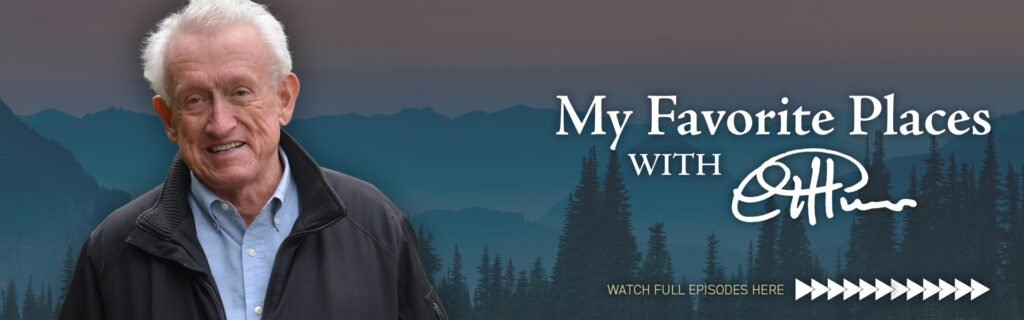
His commitment to civic engagement extended far beyond elected office. Through public speaking, mentoring, educational initiatives, and the creation of the Ralph Munro Institute for Civic Education, he inspired new generations to participate in democracy—not simply by voting, but by engaging thoughtfully with one another. He believed that informed citizens, respectful conversation, and active participation were the foundation of a healthy republic.
Perhaps Munro’s greatest lesson was that civility is not weakness. It is leadership. It requires the confidence to listen, the courage to disagree respectfully, and the wisdom to recognize that lasting progress is built through relationships rather than rhetoric.
Today, Ralph Munro’s legacy reminds us that democracy is strengthened not when everyone agrees, but when people choose to engage each other with dignity, empathy, and mutual respect. His example continues to challenge us to build bridges instead of barriers, to seek understanding before judgment, and to remember that our shared commitment to our communities is always greater than our political differences.
PUBLIC ENDORSEMENTS
Our vision for the Ralph Munro Center for Civic Engagement is finding support among numerous organizations throughout the community.