

Lawmakers adjourned the legislative session without a new plan for funding local public defense, causing concerns that
Washington’s public defender shortage will continue to strain local justice systems around the state.
On sine die, the lead budget writer for the Senate Democratic majority said the issue isn’t going away.
“That’s an issue that we’re going to have to continue to grapple with at the state level and local level. There’s no doubt about it, but it just wasn’t, we just weren’t able to fit that in the budget this year,” said Sen. June Robinson, D-Everett.
Meanwhile, cities and counties must dramatically increase public defender staff numbers to comply with the state Supreme Court’s order to reduce felony and misdemeanor caseloads for defenders by two-thirds over the next decade.
Supporters call that mandate a long-overdue change to protect the accused and make it easier to recruit new public defenders.
On TVW’s “The Impact”, Thurston County Public Defense Director Patrick O’Connor said,
“It just comes to a breaking point where you have too many clients.”
According to O’Connor, news of the caseload reductions is already making it easier to recruit new attorneys and established public defenders from other states.
“In years past, when I’d had those conversations with aspiring public defenders in law schools, they’d ask about the crushing caseloads,” he added. “They’re very well aware of these changes in public defense.”
Critics argue the caseload reduction mandate will double or even triple local costs and could lead to staffing challenges that force prosecutors to drop or delay cases.
“We’re pretty skeptical that we’re going to be able to effectively triple the number of attorneys that are willing to do public defense in Washington,” said Derek Young, Exec. Director, Washington State Association of Counties.
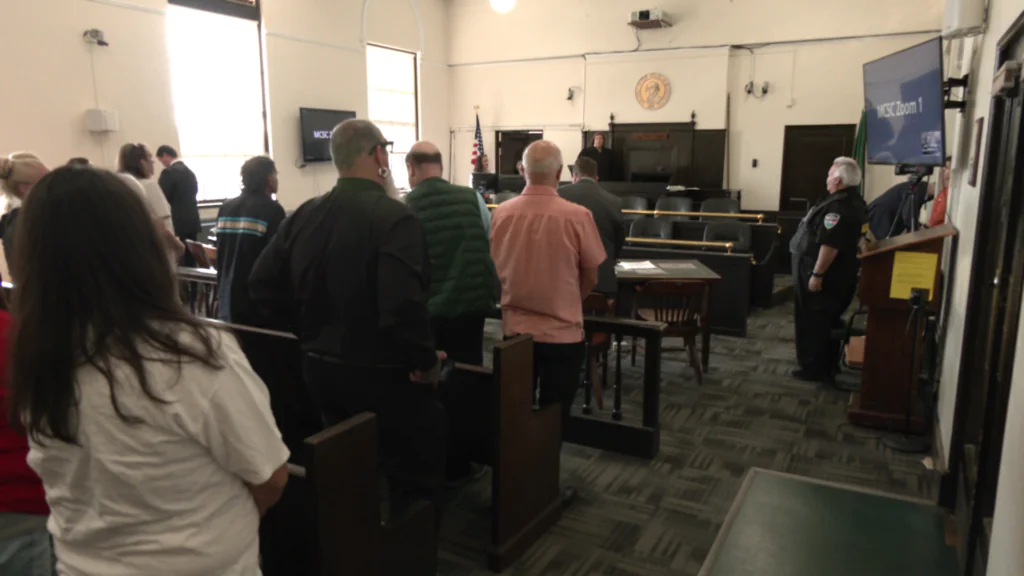
Several 2026 bills were aimed at addressing the issue from different angles, including one to revive the state’s indigent defense task force to assess regional needs. Another proposed the state cover 30% of defense costs, but none of those passed.
Lawmakers also debated using revenue from the new high-earners income tax to boost public defense funding for counties and cities, but that ultimately didn’t make it into the budget.
Apart from not having additional state funding for indigent defense, Young argues the 2026 income tax legislation was accompanied by sales tax exemptions expected to cut into local revenue streams.
“We’re going from a tough budget situation now to absolutely catastrophic,” said Young.
Although lawmakers did not approve a new funding stream for public defense, Democratic House Speaker Laurie Jinkins told The Impact that the legislature did commit to a future, general funding increase of $200 million for cities and counties.