

A bill to impose new restrictions on cryptocurrency kiosks stalled after a scheduled committee vote was skipped on Wednesday.
Senate Bill 5280 passed the Senate in January and had been scheduled for executive action in the House Consumer Protection and Business Committee, with several amendments proposed.
The machines, often called Bitcoin ATMs or (BTMs), are found at grocery stores and gas stations and offer people a chance to convert cash into virtual currency on the spot. Financial industry regulators say they are frequently used as a payment portal in scams involving fake tech support or government impersonation schemes.
Under SB 5280, daily transaction limits would be set at $2,000, with transaction fees allowed up to 15%. Authorities who favor the restrictions testified that the lack of daily transaction limits at crypto kiosks allows scammers to drain victims’ bank accounts very quickly.
“Unlike traditional bank transfers, the funds are instantly available to the scammer and can be quickly transferred to additional wallets or exchanges located outside the United States — making recovery virtually impossible,” said Assistant Attorney General Ben Brysacz.
AARP Washington lobbied hard for the legislation. Advocacy director Cathleen MacCaul, told TVW that many seniors in the state have been tricked into sending thousands to tens of thousands of dollars to scammers through crypto ATMs. Imposter fraud takes different forms. Fake tech support scams are very common common, but MacCaul says government impersonation fraud, such as the missed jury duty scam, are doing the most damage.
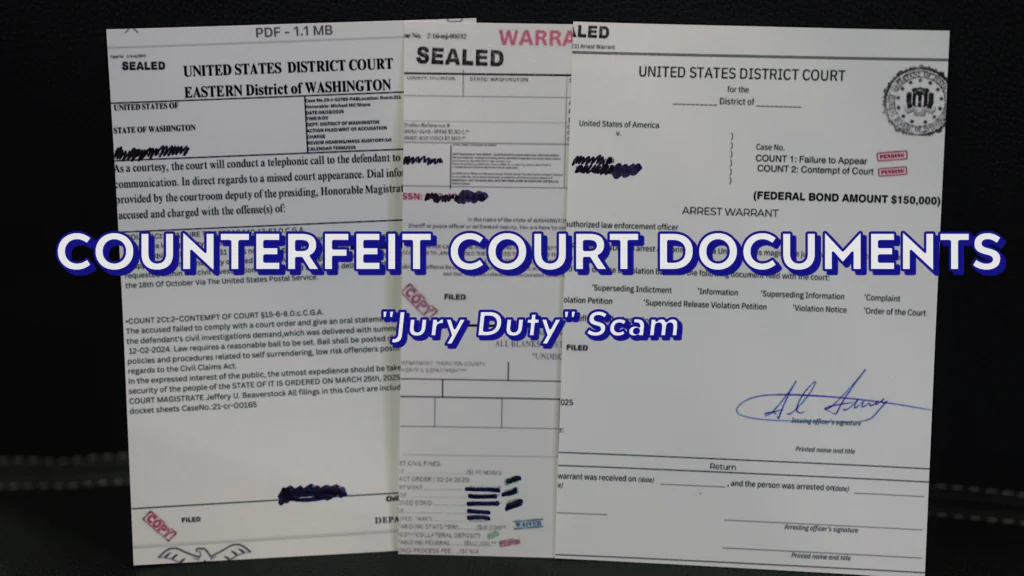
“When especially an older adult sees that it’s a government agency, they immediately think, I’ve got to take action, I’ve done something wrong, versus taking a breath and realizing, wait a second, this doesn’t seem right,” said MacCaul.
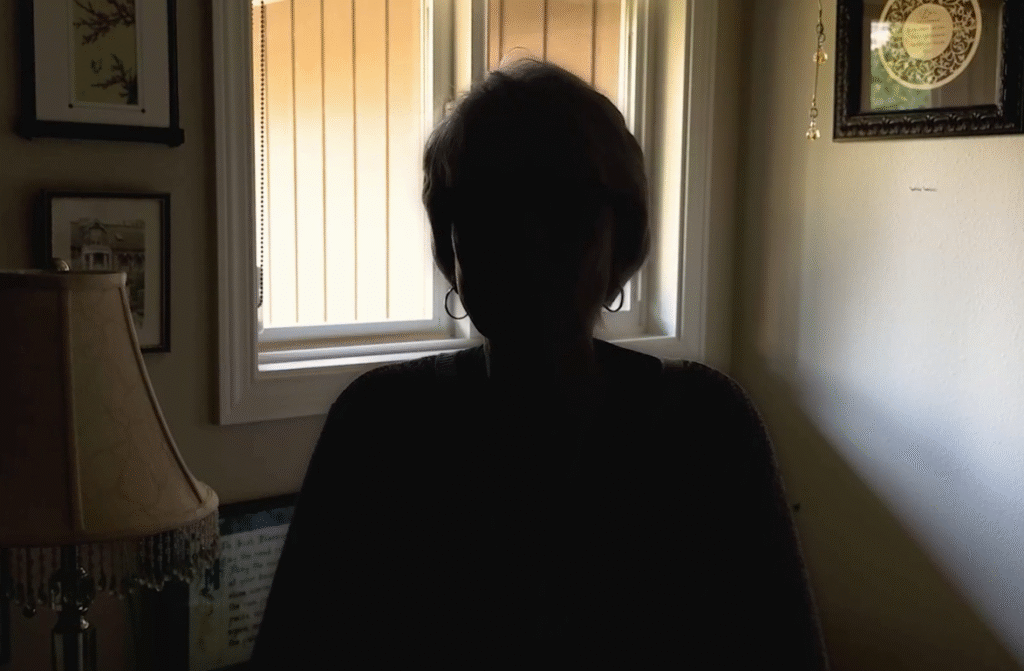
(Thurston County Scam Victim shares her story.)
Virtual currency kiosk industry representatives raised concerns that the new cap would make fraudulent transactions harder to track. They also argued that it would harm the industry and punish legitimate businesses, not the fraudsters themselves.
“The thing that we would ask is that you consider a balance between consumer protection on one side and business interests on the other. And unfortunately, we believe that this bill falls short in both areas,” said Chris Edwards, assistant general counsel for Bitcoin Depot.
Retailers who lease space for the machines, but don’t own or control them, were also concerned about the implications for store owners.
“Without clarity retailers could be accused of operating a kiosk simply by hosting it on premise,” said Crystal Leatherman, Washington Retail Association.
It was the second time the bill stalled in the House after passing the Senate. Following Wednesday’s skipped vote, AARP issued a statement expressing frustration, but vowing to revisit the issue in the future. “We will be back,” said MacCaul.