The new year brought a slate of proposed consumer protection and workplace laws tied to artificial intelligence to Olympia, including a bill aimed at how grocery prices are set.
House Bill 2481 would ban “surveillance pricing” in grocery stores — the practice of using algorithms to adjust prices based on what a system predicts individual shoppers are willing to pay. The bill would also prohibit surge pricing tied to short-term demand spikes and pause the use of electronic shelf label systems in large grocery stores.
“Large retailers are starting to employ these AI systems that can change prices instantly, individually, and secretly — faster than we can keep up with it,” said Rep. Mary Fosse, (D-Everett) the bill’s sponsor.
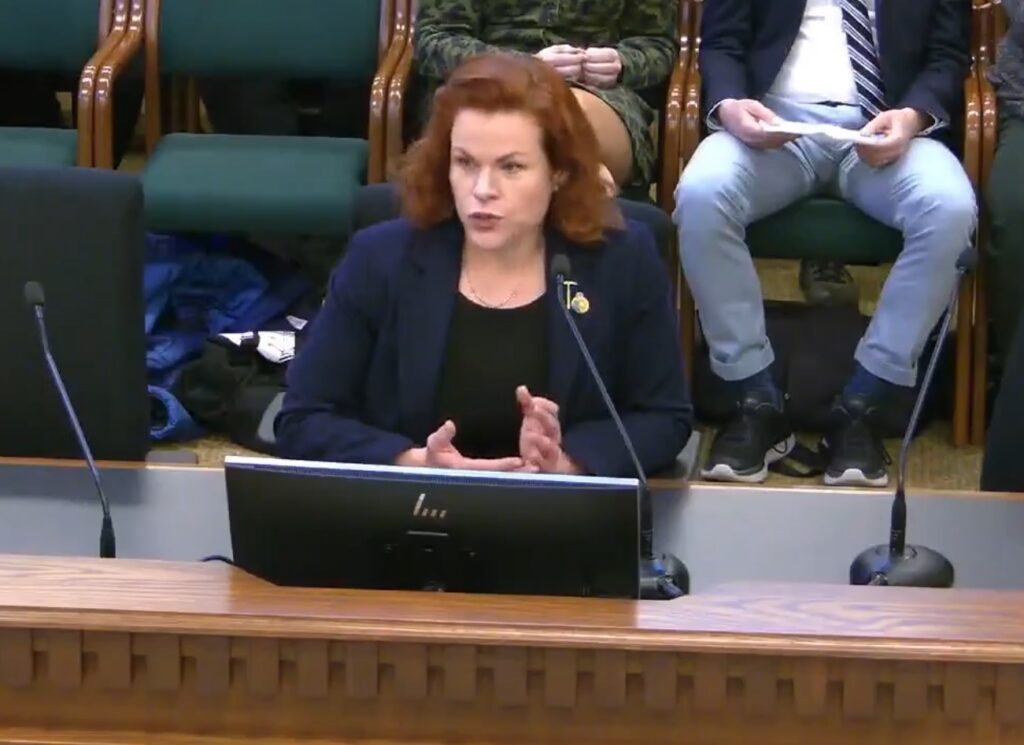
Fosse said a goal of the legislation is to prevent systems that adjust prices for each customer in a store using phone data or facial recognition.
If enacted, grocery stores would be barred from using shopping history, app usage, location data, biometrics, or other personal data to change the price each customer sees.
The bill would also pause the rollout of electronic shelf label systems in grocery stores larger than 15,000 square feet until 2030 and direct the state Department of Commerce to study how the technology affects prices and the retail workforce.
Personalized pricing is already common online, but unlike negotiating in person, the process is automated and typically invisible to consumers.
HB 2481 passed the House Technology, Economic Development, and Veterans Committee on an 8–3 vote last month and is awaiting a vote in the House Appropriations Committee.
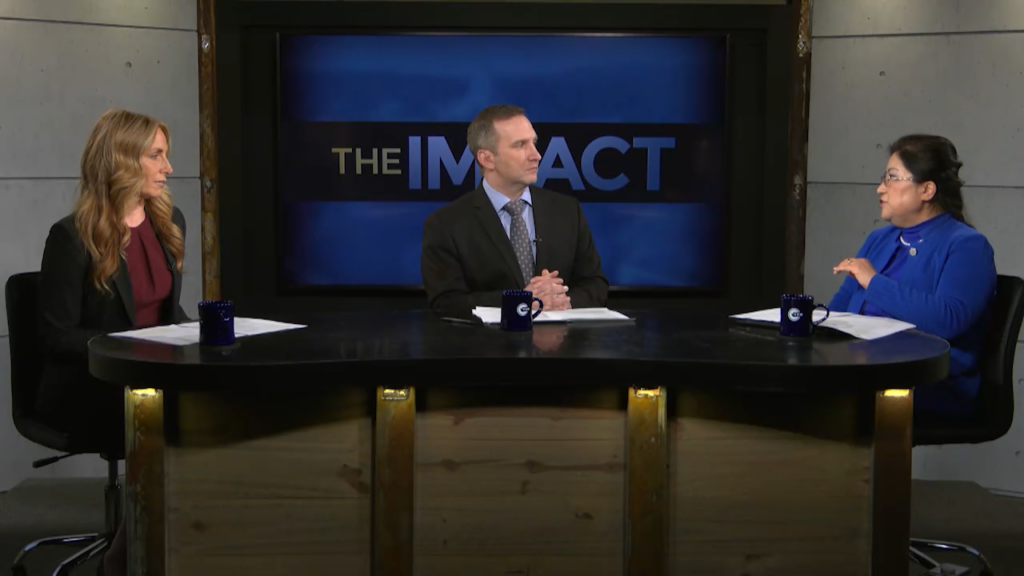
“We should not be paying more just because of who we are or the data that they have on us. It’s absolutely an issue for the affordability of food,” the committee’s chair, Rep. Cindy Ryu (D–Shoreline) told TVW.

Opponents argue electronic shelf labels can reduce costs in an industry with thin profit margins and warn the bill could restrict loyalty programs shoppers use to save money on groceries and gasoline.
The committee’s ranking minority member raised concerns about unintended consequences.
“This new technology is a way that we can drop pricing because it’s not as much work to use those digital labels rather than a paper label,” said Rep. Stephanie Barnard (R-Pasco).
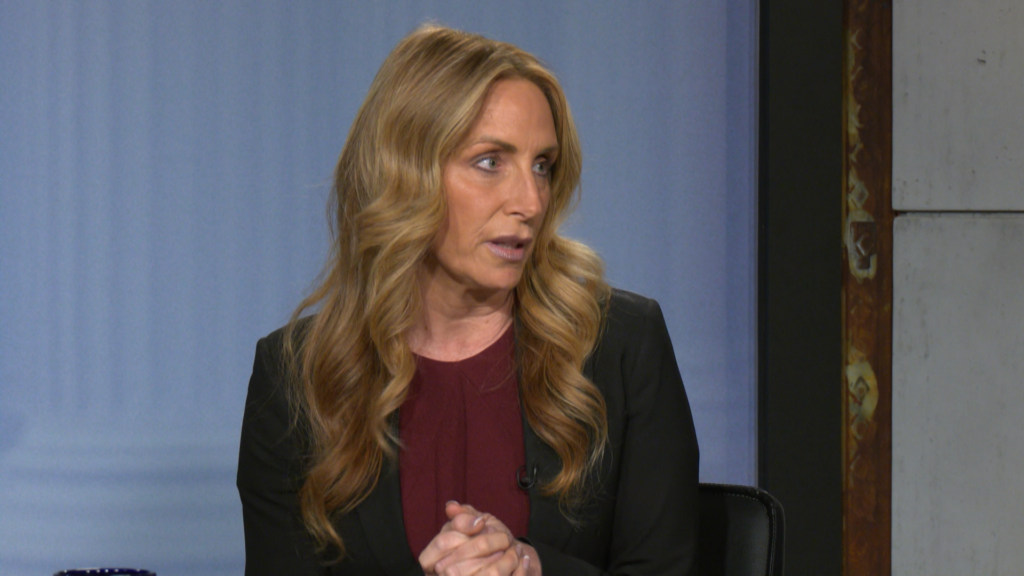
“It is about affordability. I think there’s just two sides to that coin,” Barnard added. “While this bill is very well-intended, it’s not ready for prime time.”
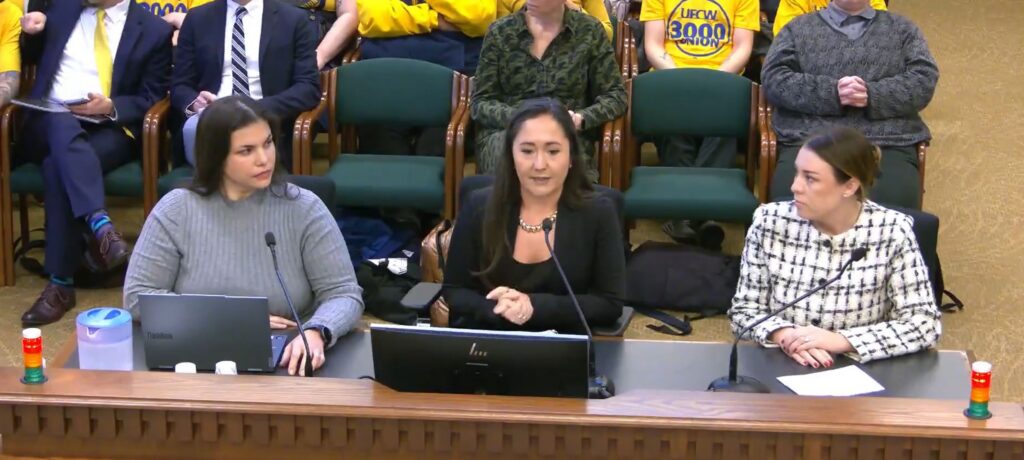
Some grocery stores already use digital price displays instead of paper tags, but industry representatives say the systems are not designed to charge different prices to different customers.
“You will not see any mechanism for facial recognition for collection of personal data or shopper level tracking. The tags are not designed to enable individualized or surge pricing. It’s simply not present on hardware,” said Jessica Vittorio of the retail technology company VusionGroup.