

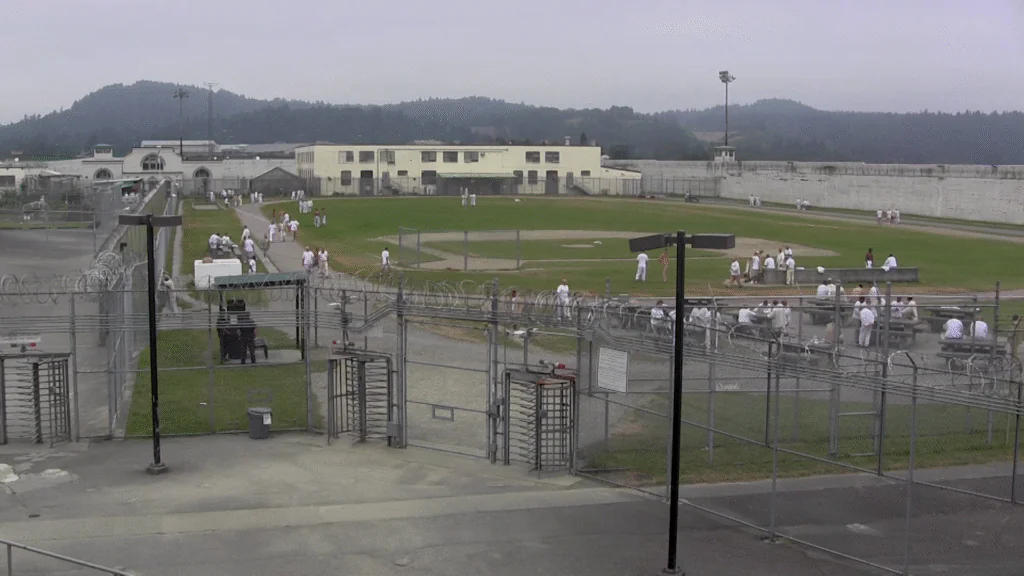
This is the first year of mandatory, phased-in caseload reductions for public defenders in Washington. Cities and counties are up against a 2036 deadline to cut maximum caseloads by two-thirds.
The new limits — which apply to superior, district, and municipal courts — are an effort to ensure adequate representation for the accused while making public defense a more attractive career.
In a recent interview on TVW Snohomish County Office of Public Defense Director Jason Schwarz explained why he supports the lower caseload ceiling.
“If you were to tell me that a family member were in the legal system, and I were to tell you I’m only going to spend eleven hours with them, you’d probably want a different lawyer,” said Schwarz.
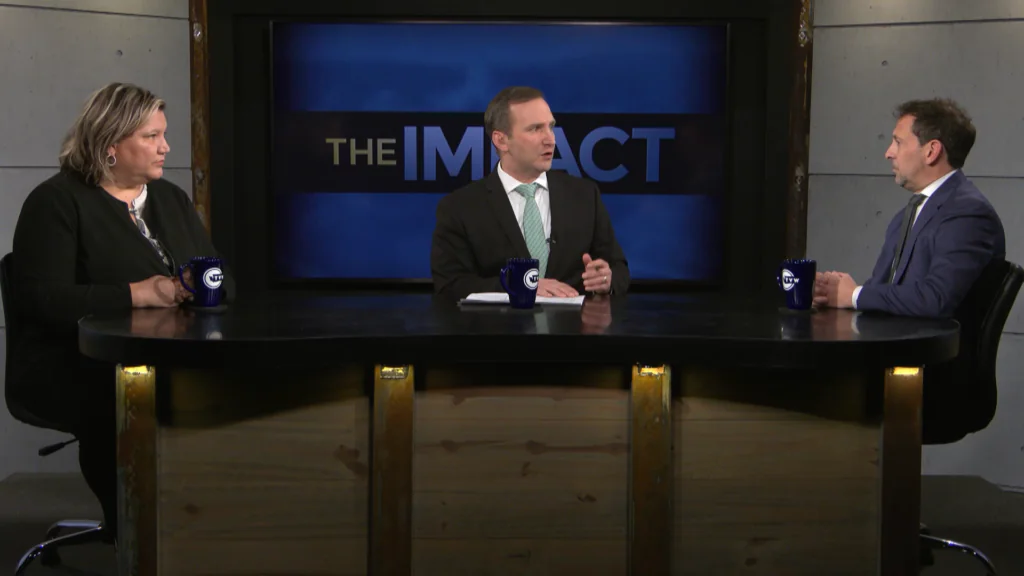
However, the policy shift also raises questions about how to boost staffing in areas that already struggle to recruit and retain attorneys, as well as how to pay for those new hires.
Around Washington, counties face backlogs of criminal cases connected to a lack of public defenders. The issue has sparked lawsuits alleging violations of defendants’ rights to an attorney and a speedy trial. In one jurisdiction in mid-2024, the lack of available defenders resulted in charges being dropped for a number of people accused of felony crimes, including one case involving rape charges.
Under the former caseload limits adopted in 2012, a public defender could carry up to 150 felony cases and 400 misdemeanor cases per year. Under the new rules set by the Washington Supreme Court, caseloads will top out at 47 felony cases or 150 misdemeanor cases per year when fully implemented.
In another change, caseloads are now measured using case credits.
Allowable caseloads may be much lower In jurisdictions that weigh cases based on severity or complexity. Case weighting remains optional for cities and counties.
Katrin Johnson, deputy director for operations at the Washington State Office of Public Defense, compared case weighting to distributing backpacks filled with either feathers or bricks.
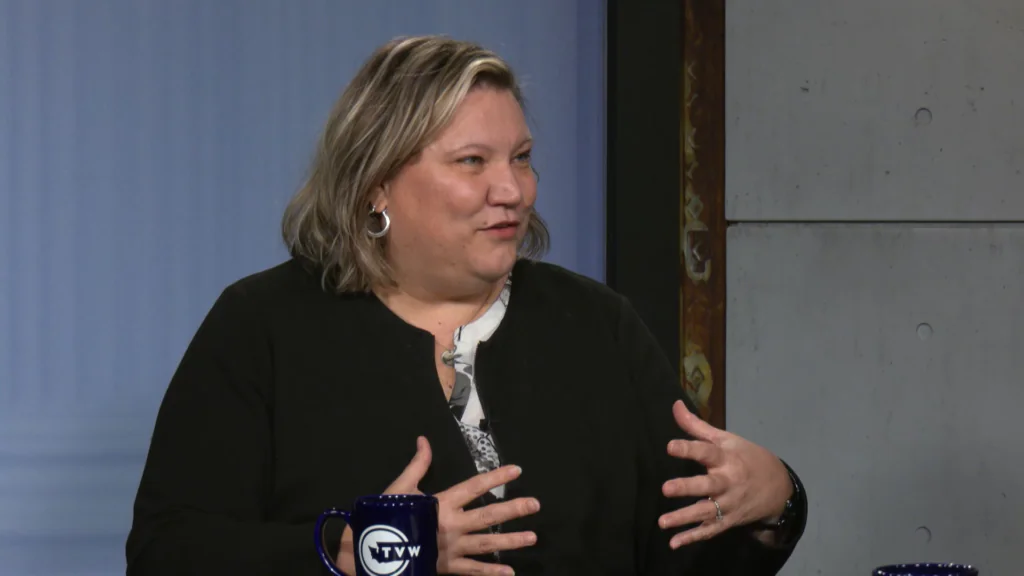
“Not all backpacks are equal. So we’re giving a greater weight to those cases that, on average, take more time,” said Johnson.
She said the 2012 standards were based on “back of the napkin caseload numbers” developed in the 1970s.
“What we’ve seen since 2012 is that those numbers were not right, or at least were not a reflection of the degree of time that’s needed for litigating cases today,” Johnson said.
Opponents of the two-thirds reduction in caseloads are worried about the ramifications for the justice system and local government budgets. Some argue counties and cities that can’t hire enough lawyers will be forced to file fewer criminal charges.
“Not only does this create a budget crisis, but the workforce simply doesn’t exist,” said Derek Young, executive director of the Washington State Association of Counties.
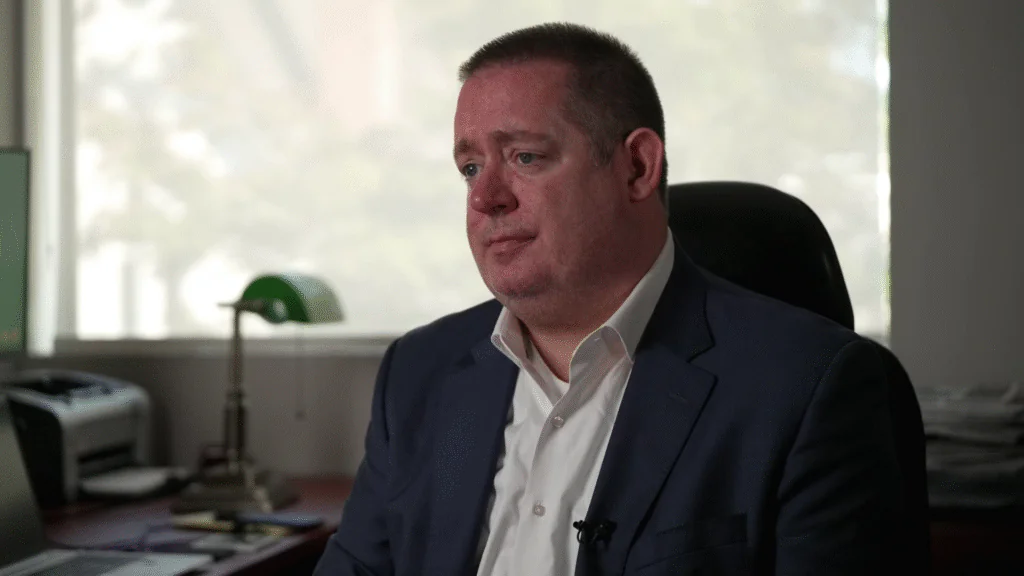
Young believes prosecutors will still file charges in most cases, but said “in many cases, people are going to go free.”
Critics of the current funding framework argue the new caseload limitations could double or even triple the cost of providing public defenders, which mainly comes out of local city and county budgets. That funding framework is at the core of an ongoing lawsuit filed by counties against the state.

Mason County prosecuting attorney Michael Dorcy said the court’s order is “exponentially increasing” the demand “for a resource that was already insufficient to meet the need.”
”That has crisis written all over it for every county in Washington,” Dorcy added.
TVW explored the implications of the public defender shortage and the new caseload reductions in a December 2025 documentary “Tipping Point—Public Defense in Crisis.”