

Spike in Fatal and Near-fatal Incidents Reignites Debate Over Child Removal Policies
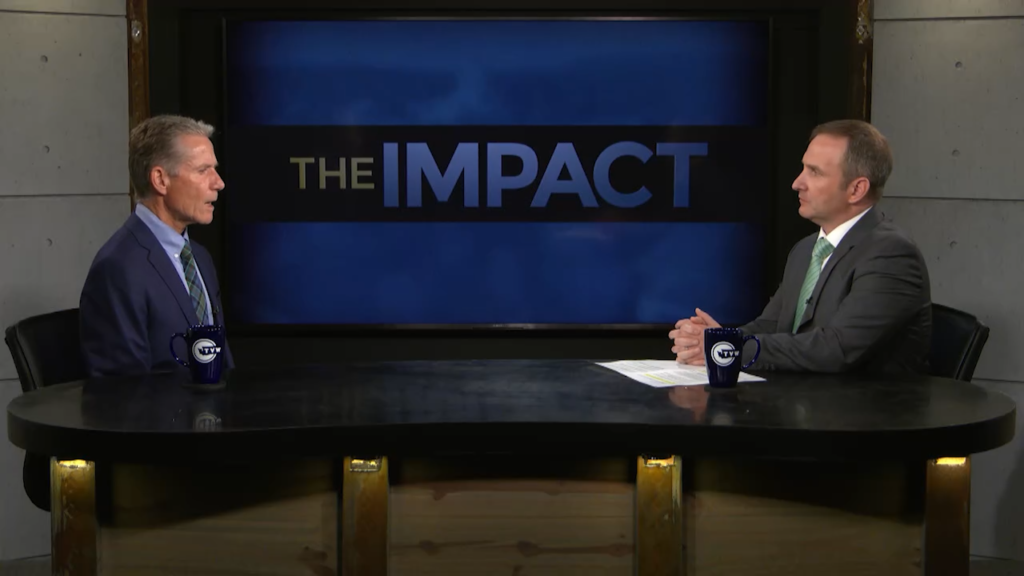
Courtesy: TVW
OFCO Director Patrick Dowd discusses a spike in fatal and near-fatal incidents involving children in families previously contacted by Child Protective Services during an appearance on TVW’s The Impact.
Olympia, WASH. — A spike in child fatalities and near-fatalities from early 2025 has reignited debate over a shift in policies that dictate when children are removed from a home.
The independent watchdog for the child welfare system in Washington is the Office of the Families and Children’s Ombuds. OFCO Director Patrick Dowd highlighted a sharp increase in child fatalities and near-fatalities in a July briefing to the DCYF Oversight Committee of the Washington State Legislature. Dowd said the cases involved children whose families had been contacted by child protective services, but who had not been removed from their homes. The incidents happened after the cases were closed.
A key takeaway from the meeting was that the first quarter of 2025 had more than twice as many fatal and near-fatal incidents involving children than the first quarter of 2024.
Dowd elaborated on those findings during an interview on TVW’s The Impact.
“So an accidental ingestion of a controlled substance by a toddler or small child, that was kind of a common theme in a lot of these cases. Many of those actually fall in the child near-fatality category, because thankfully, the availability of Narcan and quick response by medical providers prevented it from being a fatality case,” said Dowd. “Certainly not all of those critical incidents are related to parents struggling with substance use disorder. However, there is a pattern of these critical incidents in which an infant or toddler accidentally gets access to a piece of foil or drugs or a substance like foil that has drug residue on it and ingests that.”
The trend has amplified the concerns of those opposed to a recent policy shift in the child welfare system.
The Keeping Families Together Act (HB 1227) was passed in 2021 and took effect in mid-2023. The law made multiple changes to the calculus courts and Child Protective Services personnel can use when deciding whether to remove a child from an unsafe home and lowered barriers for relatives to care for displaced children.
Proponents of the policy shift argue it was an important step in reducing the number of children placed in foster care and addressing racially disproportionate impacts in the child welfare system.
The policy change at the crux of the debate is the higher threshold that must now be met for court ordered child removal. The standard is now “imminent risk of physical harm.”
Critics of the legislation say the standard is too high to meet in many cases dealing with parental fentanyl addiction.
“I hear from workers all around the state that they are not removing kids and that they’re incredibly worried about the safety of the kids in the homes that they are in. And that they aren’t removing kids because of, because that imminent physical harm threshold is so high and we’re not able to say for sure that a parent’s substance abuse— their fentanyl use— is going to, for sure, lead to physical harm to a child because nothing’s happened yet,” said Jeanette Obelcz.
“We all know that substance abuse is incredibly unpredictable, that we can’t predict when a parent might pass out with a young kid and who’s who’s going to put those drugs in their mouth,” she continued.
Obelcz is head of the DCYF Policy Committee at the Washington Federation of State Employees and she works in the child welfare division of the agency.
DCYF Chief Public Affairs Officer Allison Krutsinger argues that it wouldn’t be fair to link the increase in fatal and near-fatal incidents to the change in law based on the current available data.
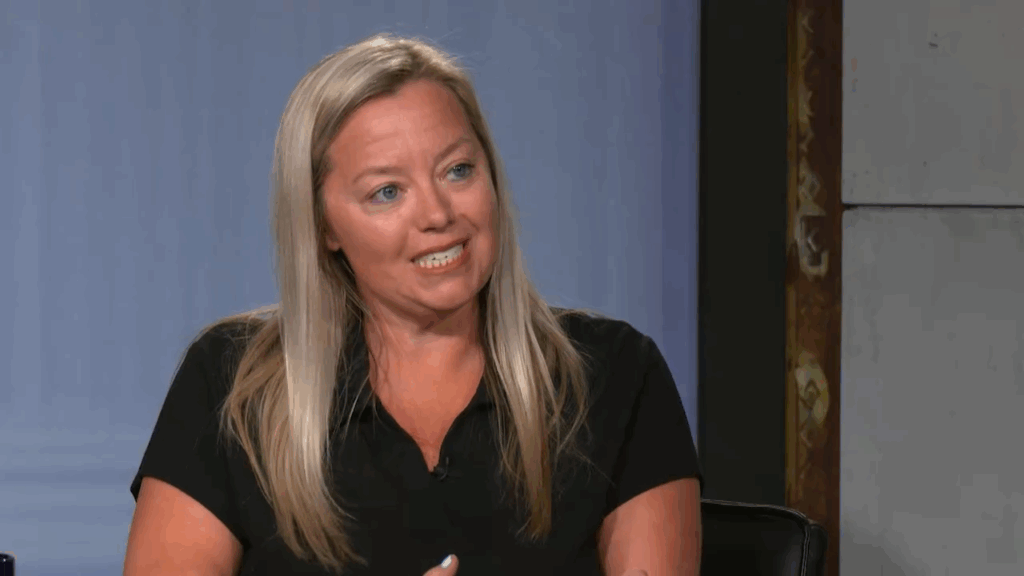
“DCYF has done a similar analysis, begun to do a similar analysis, this year as we early on in the calendar year recognized a trend that was outpacing previous years. And any time that happens and looking at data, we have an obligation to sort of lean in and say, what’s happening here?,” said Krutsinger. “The department would not say these critical incidents this year are results of that (law change). I don’t think that that is a fair, correlative analysis at this point. We need to continue to examine and look at the data. We’ve only seen one full quarter of data.”
Among the families they interact with, Krutsinger says other potential drivers that stand out are an epidemic of fentanyl addiction and an increase in financial stress on parents.
In 2024, the legislature passed amending legislation (SB 6109) to emphasize the danger of powerful synthetic opioids when courts make child removal related decisions. Dowd said that the child welfare system is still adjusting to that law change and he would not recommend making additional changes at this point.
“In the majority of those cases, it is not, it wasn’t the circumstances were at a point where the department would have removed the children or child, but for the Keeping Families Together Act. So that’s not the situation,” said Dowd.